Authentic Video Testimonials: How Subtle Human Behaviors Create Trust on Camera
Discover how authentic video testimonials can boost conversions. Learn proven tips to build trust and credibility with real customer stories.
Did you know website visitors are more likely to convert after watching authentic video testimonials? It’s mind-boggling, and a little humbling, to realize how much trust rides on a few unscripted words from a real customer. In a world drowning in sales pitches and shiny promises, authentic stories on camera cut through the noise, boost SEO, and put your brand on the map. Struggling to stand out or pressed for time? This guide is packed with practical tips, psychology tricks, and a behind-the-scenes look at how real businesses (just like yours) are leveraging video testimonials for wild success, with a spotlight on how Share One makes it downright painless.
(Want to know how to make SaaS testimonials feel authentic? Check out our guide for Video Testimonials for SaaS and Software Companies.)
Key Takeaways
Authentic video testimonials can increase website conversions by leveraging genuine customer stories and credibility psychology.
Subtle micro-behaviors such as natural eye contact, relaxed body language, and warm vocal tone are essential for building trust in video testimonials.
Avoid over-scripting; coaching clients with prompts leads to more authentic and compelling video testimonials.
Soft, natural lighting and comfortable filming conditions help capture the real emotions and expressions that drive authenticity.
AI-powered video testimonial tools can enhance authenticity by analyzing micro-expressions and speech patterns for optimal results.
Partnering with platforms like Share One simplifies the process of creating authentic video testimonials, delivering time-saving, credible outcomes.
Why Authentic Video Testimonials Are Essential for Building Credibility in Your Business
Let’s get one thing out of the way: people don’t buy from companies, they buy from people. So, when a real, relatable human appears on video, telling the world why your service changed their life, it’s a credibility shot of espresso.
Conversion Power: Video testimonials do more than tug heartstrings, they move the needle. Adding video testimonials to your site can boost conversions by up to 25%. Is it magic? Nope. It’s psychology, and a dash of “FOMO” (yep, fear of missing out). When you hear and see someone who solved exactly the problem you have, it doesn’t just inspire you. It motivates you to act.
The Trust Factor: Here’s what’s wild: 92% of potential buyers trust peer recommendations and customer reviews over company ads. And it goes deeper. Seeing subtle nonverbal cues, like a tiny pause or beaming smile, triggers what psychologists call “parasocial trust.” Your viewer feels like they know your customer, even if just for those two minutes. That’s priceless.
SEO Rocket Fuel: Google loves video. Why? Videos keep visitors hanging around, gobbling up the proof of your greatness (boosting dwell time, a huge win for SEO). You get higher rankings, and better yet, the right people see you. Standing out in crowded platforms like healthcare, finance, or real estate is suddenly less like shouting into the void and more like hosting an invite-only dinner party.
It’s simple: a handful of honest, unscripted stories will do more for your brand than any scripted ad campaign ever could.
The Psychology of Perceived Authenticity
Ever caught yourself doubting a perfect, polished 5-star review? You’re not alone. The real secret sauce behind why video testimonials convert well comes down to the messy, beautifully human details, micro-expressions, hesitations, quirks. This is where the psychology behind testimonials gets authentic.
People subconsciously size up a testimonial’s credibility within seconds. It’s all in the unspoken signals: a natural smile, a blink, the warmth in a voice. Research shows that parasocial trust, that uncanny sense you’re having a real chat with someone on screen, can solidify in just moments if the testimonial feels unguarded. Over-scripted, and your trust-o-meter tanks, and audiences are less likely to believe a testimonial if it feels rehearsed.
Factor Influencing Perceived Authenticity
Impact on Viewer Trust
Genuine emotional responses
Increases engagement
Subtle nonverbal cues
Builds long-term loyalty
Avoidance of over-scripting
Reduces bounce rates on landing pages
Here’s the kicker: most business owners still think polish equals trust. But the best performers? They let customers tell their stories, flaws, laughs, tears, and all. If you want authenticity, chase the perfectly imperfect.
Micro-Behaviors That Influence Credibility
Ever notice how a classic, rambling ‘thank you’ sounds more convincing than a slick, memorized elevator pitch? Turns out, the little things, the micro-behaviors, decide whether your testimonial rings true or falls flat. Let’s break down how your customers’ body language and delivery can supercharge, or sabotage, your credibility.
Eye Gaze, Blink Rate, and Head Tilt
Think about the last time someone stared you down in a meeting, awkward, wasn’t it? Authentic video testimonials work the same way. The sweet spot lies in direct, but not fixed, eye contact. Think friendly, like you’re chatting across a coffee table. Excessive blinking? It might signal nerves or even dishonesty. A natural blink rate (roughly 15–20 per minute, don’t count, just feel it) says, “Hey, I’m at ease.”
A little head tilt, too, goes a long way. It suggests openness, empathy, and a willingness to connect. Ever seen a testimonial where the speaker looks tense and rigid? It feels off, right? Viewers pick up on that and mentally swipe left.
Quick reality check: Some folks believe constant eye contact is the holy grail. , it’s the natural breaks, the glances away, a shy smile, that make the story real and relatable. Want to expand your reach? Keep cultural norms in mind, direct eye gaze isn’t universal.
Vocal Warmth, Pauses, and Speech Tempo
If you’ve ever called customer service and got an icy, robotic voice, you know: tone matters. The psychology behind testimonials tells us a warm tone, natural pitch swings, and well-placed pauses can bleed sincerity into every syllable.
Rushing through a testimonial? It’s the opposite of believable. Studies say 150 words a minute (give or take) sounds comfortable and genuine. The occasional pause isn’t dead air, it’s dramatic punctuation. It lets your customer’s words (and emotions) land.
Pro Tip: Encourage participants to close their eyes for a second and remember that moment you helped them. The difference in their voice will be night and day.
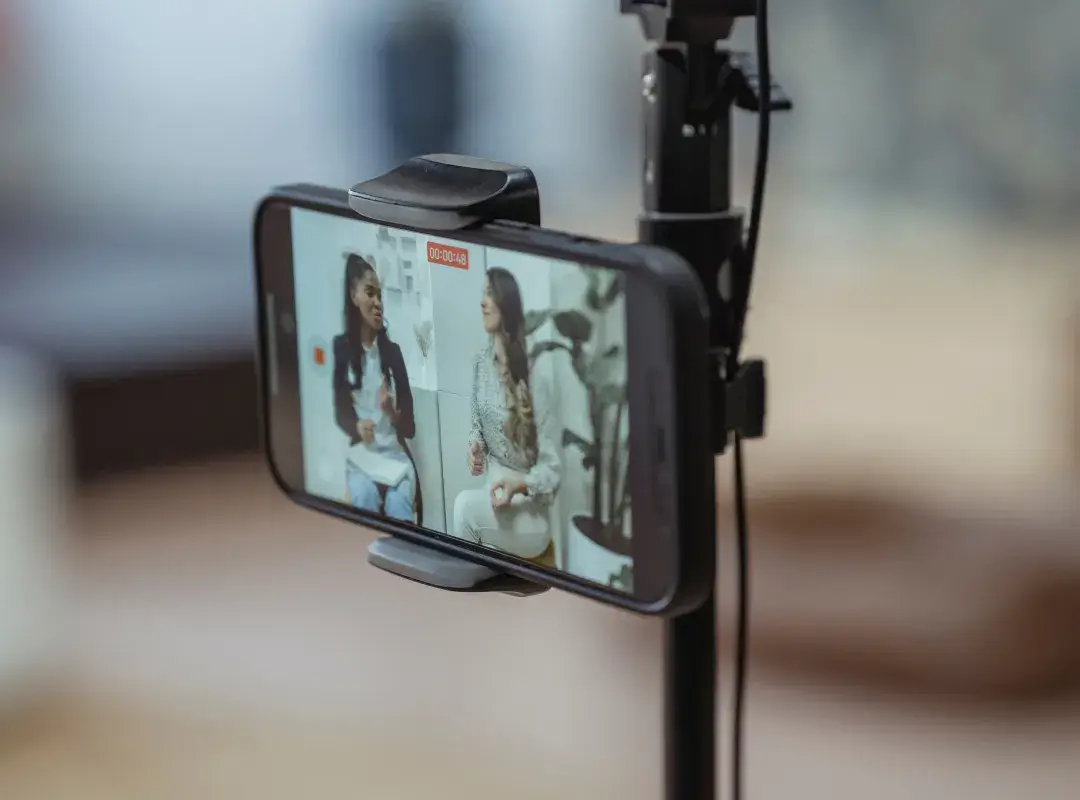
Preparing Subjects for Natural Delivery
No one wants to watch a client recite some Frankenstein’s monster script. The key: set the stage so customers feel comfortable to shoot straight from the heart, not from the Teleprompter. This is where your video testimonial tools (and your coaching chops) play hero.
Assess comfort first. Don’t shove a camera in someone’s face. Chat with them, ask what format feels most natural, a selfie video, a remote call, or a sit-down interview?
Ask open-ended questions. Instead of, “Did you like our service?” try, “How did you feel when the problem was solved?” and “What surprised you most about your results?”
Embrace imperfection. Stumbles? Nervous laughs? Those are gold. Let your subject know it’s okay to rephrase and rewind, but keep the cuts to a minimum. The more organic, the more credible.
Check congruence. Watch for micro-expressions and body language. If the testimonial is glowing but the customer looks stiff, dig deeper or try a different angle.
Invite your customer to relive their best moment with you, not act it out. (And if you find a customer who stares at the camera like it’s about to bite, lower the stakes: a casual smartphone video works wonders.)
Coaching Versus Scripting
Full-on scripts? Please don’t. People can smell ‘corporate’ a mile away. Instead, coach with prompts: “Tell me what you’d want a friend to know.” The result is always more genuine.
Some worry that coaching creates chaos, it doesn’t. It’s about setting bumpers, not a bowling alley’s gutter guards. The aim is to spark stories, not recitations. You may give a structure, offer a skeleton (“start with your problem, then describe your breakthrough, and finally the results”), but let them fill the rest.
Filming Conditions That Encourage Authenticity
A good testimonial feels like Sunday morning sunlight, easy, warm, genuine. Set your conditions right, and that’s the vibe you capture on video.
Lighting, Interviewer Distance, and Framing
Lighting: Fancy studio setups? Not necessary. Soft, natural light, think next to a sunlit window or with a simple diffused ring light, shows off the subtle micro-expressions that scream “real person.” Harsh overhead fluorescents, in contrast, turn your subject into an anxious shadow puppet.
Distance: For in-person or remote video testimonial services, aim for about 3–5 feet between camera and speaker. That’s Goldilocks range, close enough for intimacy, but not so close your customer feels like they’re on trial.
Framing: Mix it up. Go close for those little eyebrow raises and hand gestures, but pull back slightly so the speaker isn’t a floating head. Overly tight shots rob you of rich, expressive body language, the stuff that makes a story stick.
Pro Tip: For busy, mobile-first viewers, remember a considerable amount of testimonial videos are watched on smartphones. Vertical orientation, concise edits, and front-loaded punchlines keep them engaged before they’re tempted to swipe away.
Filming Element
Best Practice
Benefit to Authenticity
Lighting
Soft + Natural
Highlights genuine expressions
Distance
3–5 Feet (Casual)
Promotes relaxed delivery
Framing
Close, Never Claustrophobic
Captures full micro-behaviors
Analyzing and Improving Authenticity with AI
Okay, time to geek out (just a bit). The best video testimonial tools in 2025 come with AI-powered insights that make even an old-school marketer nod in appreciation.
Instead of relying on gut instinct to spot authenticity, today’s top testimonial platforms use AI to:
Detect facial micro-expressions. Subtle, fleeting smiles or eyebrow raises? AI clocks those in milliseconds.
Analyze tone and speech tempo. The software flags clips with monotone voices or rushed pacing so you can coach or retake for better warmth.
Score for congruence. Ever had a video that just felt… off? AI will cue you in if the body language doesn’t match the testimonial’s message.
And here’s the kicker: This “robot helper” doesn’t strip out the human touch. When used right, it simply amplifies the natural, human moments (and gently nudges out those awkward, unnatural bits). If you’re serious about getting the best video testimonial software 2025 has to offer, make sure AI enhancements are part of your toolkit, especially if you want credible, scroll-stopping stories. Want more in-depth guides? Find out how Video Testimonials for Authors and Educators are buildings trust.

Checklist: Authenticity Scoring Framework
Ready to put your video testimonials to the test? Here’s a simple, practical framework for gut-checking whether your videos pack real credibility psychology.
Eye Contact and Gaze (1–10): How natural does the subject’s eye connection feel?
Facial Micro-Expressions: Do their subtle reactions match the story?
Body Language: Are posture and gestures open, relaxed, and genuine?
Tone of Voice: Is the voice warm, varied, and easy on the ears?
Overall Parasocial Trust: Does it feel like a real conversation, the kind that lingers in memory?
Use this after every shoot, and you’ll avoid most of the classic testimonial flops.
Insider Tip: A little post-production polish never hurts, but don’t overdo the edits. The odd pause, the flash of emotion? That’s your credibility jackpot.
Start Building Trust with Share One’s Done-for-You Authentic Video Testimonials
If the mere thought of setting up a camera, guiding a nervous client through their story, or painstakingly editing footage feels overwhelming, know that you’re not alone. That’s precisely where Share One steps in, eliminating the hassle and delivering tangible results with ease.
What truly sets Share One apart is its commitment to human-first storytelling, where real people, free from scripts or bots, capture the essence of your business by highlighting your customers’ genuine journeys. The time-saving process couldn’t be simpler: invite your best clients with a single click, bypassing any tech barriers, while Share One expertly coaches them for a natural delivery, regardless of whether they’re natural storytellers or a bit camera-shy. From start to finish, you’ll receive expert support from a team dedicated to authenticity, handling everything from the initial draft to the final edit. Need feedback along the way? It’s readily available. Worried about branded backgrounds or awkward lighting? Those concerns vanish entirely.
So, how significantly could authentic video testimonials transform your business?
Get Started with Share One!
Frequently Asked Questions
What makes a video testimonial authentic?
An authentic video testimonial showcases genuine customer experiences without heavy scripting, allowing natural emotions and stories to shine through. Key elements include relaxed body language, sincere eye contact, and a warm tone of voice, which help viewers sense honesty. Unlike polished ads, these videos embrace imperfections like pauses or unscripted moments, building real trust.
How do authentic video testimonials boost conversion rates?
Authentic video testimonials enhance conversion rates by providing social proof through real customer stories, fostering emotional connections and credibility. They outperform text reviews by adding visual and vocal cues that humanize the brand, reducing skepticism. For businesses, placing these on landing pages or ads can drive higher engagement, turning hesitant visitors into confident buyers without aggressive sales tactics.
Why are nonverbal cues important in authentic video testimonials?
Nonverbal cues like facial expressions, eye contact, and gestures play a vital role in authentic video testimonials by subconsciously conveying sincerity and trustworthiness. A natural smile or steady gaze can signal genuine enthusiasm, while stiff postures might suggest fabrication. Psychology research highlights that these subtle signals help audiences quickly assess credibility, strengthening emotional bonds.
How can businesses create more natural-feeling video testimonials?
Businesses can foster natural video testimonials by using open-ended questions to spark genuine responses, opting for comfortable filming environments, and minimizing scripts to avoid robotic delivery. Soft lighting and casual setups encourage relaxed body language and authentic emotions. Coaching clients gently on sharing personal stories, rather than rehearsing lines, preserves sincerity. This approach, supported by marketing experts, helps capture imperfections that resonate with audiences, ultimately building stronger trust and relatability.
Are there tools to analyze the authenticity of video testimonials?
Yes, AI-powered tools like video analysis software can evaluate authenticity by examining facial micro-expressions, speech patterns, and tone variations. These platforms score clips for genuineness, identifying inconsistencies that might undermine trust. Popular options include emotion recognition apps that align nonverbal cues with spoken content. By using such tools, businesses ensure high-quality, credible testimonials, as recommended in digital marketing forums, enhancing their overall effectiveness without needing expert manual review.
What is the best way to collect authentic video testimonials from clients?
The optimal method for collecting authentic video testimonials involves simplifying the process with user-friendly platforms that allow clients to record in their own comfortable spaces. Send easy invites via email or links, provide gentle coaching on reflecting real experiences, and use open-ended prompts to elicit natural stories. Avoid over-editing to keep the raw emotion intact.
How effective are video testimonials in marketing?
Video testimonials are highly effective in marketing, and can increase conversions due to their authentic, engaging format. They provide visual social proof that text alone can’t match, building trust through real customer voices. When placed strategically on websites or social media, they engage audiences longer, fostering loyalty and outperforming traditional ads in credibility.
How can you tell if a video testimonial is authentic?
To verify a video testimonial’s authenticity, look for natural speech patterns, unscripted pauses, and consistent nonverbal cues like genuine smiles or eye contact. Check for over-polished editing or mismatched emotions, which might indicate fabrication. Authentic ones often include specific, personal details rather than generic praise, as noted in consumer trust studies.
How do video testimonials build trust with potential customers?
Video testimonials build trust by showcasing real customer journeys in an relatable way, leveraging visual and auditory elements for emotional impact. They demonstrate transparency, as authentic stories from peers reduce doubts and highlight benefits. Strategically used, they position your brand as reliable, encouraging prospects to connect and convert with confidence.